
New Psychosocial Hazards: If You Don’t Think a Health and Safety Management System is Needed, You’re Already a Psy Hazard!
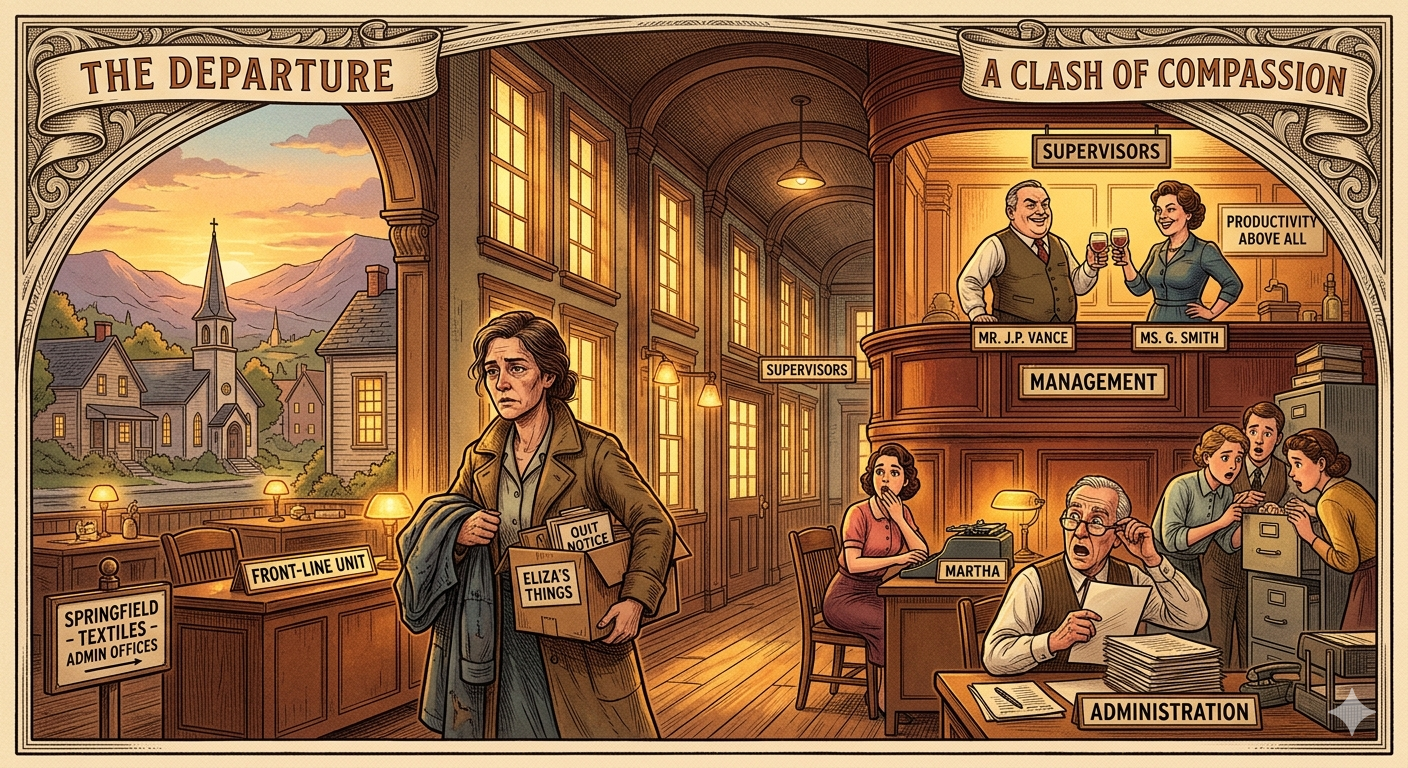
Psy hazards - how they will affect everybody!
In the modern regulatory landscape of British Columbia, a "Health and Safety Management System" is no longer just a binder full of dusty policies—it is a living requirement. When leadership treats safety as a check-box, they don't just miss hazards; they become one. To understand why, we must look at how a business fails its most basic duties.
Imagine a business that boasts a gold-star safety record because they haven’t had a slip-and-fall in a year. Yet, behind the scenes, employees are told—under threat of discipline—not to discuss their wages or we have to keep the near misses down or we will loose contracts. Benefits promised during the hiring process "vanish" into administrative delays. Workers are forced to purchase their own specialized PPE, effectively paying a tax for their own survival. Workers stop reporting in fear of discrimination.
These are not just HR "quirks." Under CSA Z1003 and ISO 45003, these are psychosocial hazards. They erode trust, create chronic stress, and signal to the workforce that their well-being is a secondary expense. When a system is this tokenistic, the "Safety Policy" on the wall isn't a shield; it’s a red flag of systemic negligence.
The Right to Know: Freedom Of Information Privacy Protection Act vs. Physical Reality
A critical failure occurs when a poorly trained organisation misuses the Freedom of Information and Protection of Privacy Act (FOIPPA) as a cloak for incompetence. Consider a scenario where a prime contractor or public body knows of a structural danger to a property or a risk to the general populace but refuses to disclose it to subcontractors, citing "privacy."
This is a fundamental misunderstanding of the law. Under Section 25 of FOIPPA, the "Public Interest Override" dictates that if there is a risk of significant harm to health or safety, the head of a public body must disclose it. To withhold such information is a violation of the Right to Know, a pillar of occupational health and safety. When information is suppressed, the "Right to Refuse Unsafe Work" becomes impossible to exercise because the worker is being blinded to the hazard.
Perhaps the most damaging manifestation of a failed system is found in healthcare and social services. If a workers in a facility experience workplace violence and it is shrugged off and treated as "part of the job." When an organization fails to identify psychosocial hazards—such as chronic understaffing or lack of support— they probly have many staff with moral injuries.
By the time a physical assault occurs, the psychosocial "safety system" has already failed a dozen times. Inadequate risk assessments and a lack of a robust H&S Management System will be a hub for psychosocial hazards. Without a robust management system, the organization is perpetually reacting to trauma rather than preventing the stressors that trigger it.
If you believe a comprehensive, scalable, Health, Safety, Quality, and Environmental (HSEQ) system is an optional luxury, you are operating an unethical organization. True safety requires an expert who understands that a "toxic culture" is just as lethal as a "toxic chemical." Do the right thing: move past tokenism and build a system that respects the law, the data, your customers and your most valuable source - your employees.
Do you have the documentation to prove you’ve performed a risk assessment? Under the 2024–2026 WorkSafeBC Workplan, you are now legally responsible for managing psychosocial hazards—the "invisible" risks that cause mental injury, burnout, and toxic culture.
You can no longer rely on a tokenistic policy. These 13 factors are now the regulatory standard for your business:
1. Organizational Culture – Is there trust and fairness?
2. Psychological Support – Do workers feel supported?
3. Clear Leadership – Do they know exactly what to do?
4. Civility & Respect – Is it free of bullying?
5. Psychological Competency – Do skills match the job?
6. Growth & Development – Can they advance?
7. Recognition & Reward – Is effort acknowledged?
8. Involvement & Influence – Do they have a say?
9. Workload Management – Is the pace sustainable?
10. Engagement – Are they connected to the work?
11. Balance – Is work-life balance respected?
12. Psychological Protection – Can they speak up without fear?
13. Physical Safety – Are physical risks managed?
